Brompton Road garden maintenance guide for flats
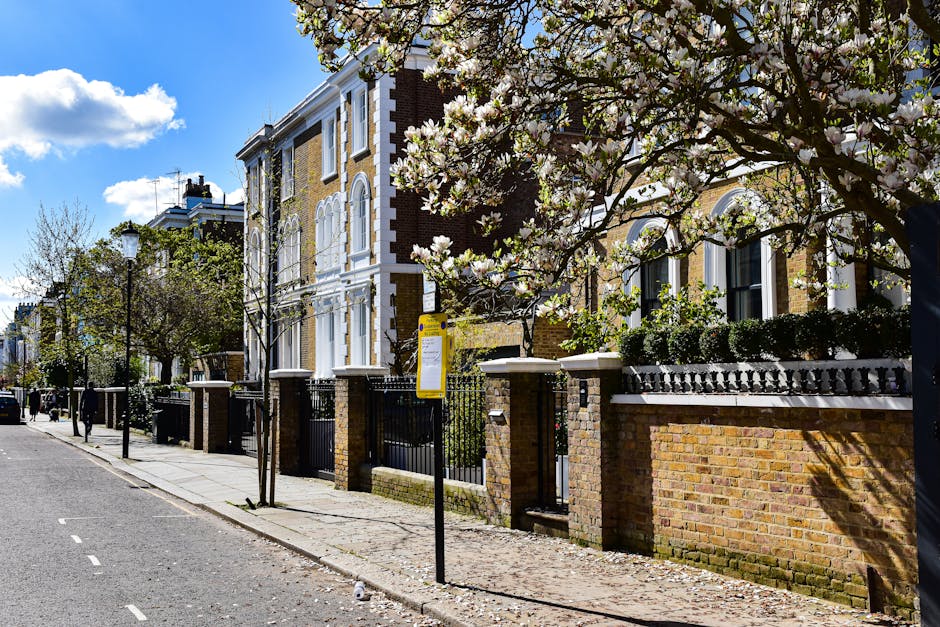
If you live in a flat near Brompton Road, you already know the challenge: a small outdoor space can look brilliant one week and tired the next. A balcony planter goes floppy, a shared courtyard gets cluttered, and nobody is quite sure who should trim what. This Brompton Road garden maintenance guide for flats is here to make the whole thing feel manageable, whether you're a leaseholder, a managing agent, a resident committee member, or simply the person who keeps an eye on the plants from the kitchen window.
Flat gardens in this part of London are usually compact, shared, and exposed to a lot of footfall, shade, wind, and occasional neglect. That means maintenance is less about big dramatic jobs and more about steady, tidy, regular care. Get the rhythm right and the space feels calm, welcoming, and well kept. Get it wrong and, well, it starts looking like a very expensive version of a neglected window box.
In this guide, you'll find practical steps, common mistakes, a realistic maintenance routine, and a few judgement calls that matter when outdoor space belongs to more than one household.
- Why Brompton Road garden maintenance guide for flats matters
- How the maintenance process works
- Key benefits and practical advantages
- Who this is for and when it makes sense
- Step-by-step guidance
- Expert tips for better results
- Common mistakes to avoid
- Tools, resources and recommendations
- Law, compliance, standards, or best practice
- Options, methods, or comparison table
- Case study or real-world example
- Practical checklist
- Conclusion
- Frequently asked questions
Why Brompton Road garden maintenance guide for flats Matters
Garden maintenance for flats is different from a private house garden, and that difference matters more than people expect. On Brompton Road and the surrounding Knightsbridge streets, outdoor spaces are often shared, visually prominent, and tightly used. A small courtyard, roof terrace, or communal planting area may need careful attention to stay safe, attractive, and usable.
Why does that matter? Because a well-kept outdoor space does more than look good. It affects how residents feel about the building, how visitors experience it, and how much time and money gets spent later on avoidable repairs. A bit of weed growth left to spread across paving can turn into a slippery mess after rain. A shrub left untrimmed can block light or crowd a walkway. A pile of leaf litter can look minor, until it clogs a drain and somebody is mopping up water in winter. No one wants that sort of surprise, to be fair.
For flats, maintenance is also about fairness. Shared spaces need shared standards. If one resident waters the planters and another assumes it is someone else's job, things can drift quickly. A simple, documented routine helps everyone know what to expect. That is often the difference between a pleasant communal garden and a space nobody wants to spend time in.
If you are planning broader upkeep, you may also find the site's services overview useful for understanding how different garden tasks fit together, and the dedicated garden maintenance service can be a sensible option where consistency matters more than one-off tidy-ups.
How Brompton Road garden maintenance guide for flats Works
Good flat-garden maintenance usually works in layers. The first layer is visual tidiness: sweeping, removing dead material, clipping back overgrowth, and keeping access routes clear. The second layer is plant health: watering, feeding where needed, checking drainage, and spotting early signs of stress or disease. The third layer is coordination: agreeing who does what, when it happens, and how the work is recorded.
In a typical flat setting, maintenance may be handled by residents, a managing agent, or an external gardener. The best setup depends on how much planting exists, whether the space is shared, and how much time people realistically have. There is no prize for overcomplicating it. A simple monthly visit can be enough for some courtyards; more demanding spaces may need weekly attention during spring and summer.
Here is the practical reality. Flat gardens often fail not because nobody cares, but because the work is fragmented. One person trims, another waters, someone else moves furniture, and nobody keeps an eye on the whole picture. A better approach is to treat the space as one system. Pathway, planters, hedges, lawn patches, drainage, and storage all affect each other. Ignore one and the rest soon feel the impact.
When external help is brought in, the work should be agreed clearly. A good contractor will usually discuss access, timing, waste removal, and safety before anything starts. That matters in shared buildings, especially where residents need advance notice or where materials have to be carried through internal corridors. The practical details are never glamorous, but they are the bit that keeps everything moving smoothly.
Key Benefits and Practical Advantages
There are obvious benefits to keeping a flat garden tidy, and a few less obvious ones too.
- Better appearance: A neat entrance or courtyard makes the whole building feel more cared for.
- Safer access: Regular clearing reduces trip hazards, slippery moss, loose debris, and blocked walkways.
- Healthier planting: Light pruning, feeding, and correct watering help plants recover faster and grow more evenly.
- Lower long-term cost: Small jobs done on time usually cost less than major clearance after a long gap.
- Less conflict: Clear routines stop the "I thought someone else was doing it" problem.
- Better use of limited space: In a small garden, every square metre has to earn its keep.
There is another benefit that gets overlooked. A well-maintained outdoor space can quietly improve the day-to-day feel of living in a flat. You notice it when the planting is balanced, the hard surfaces are clean, and the bins, bikes, and furniture are not all jostling for room. It just feels easier to live there. That sounds soft, maybe, but it is real.
If your garden also includes paving, timber features, or built seating, broader maintenance may overlap with decking, landscaping, or clearance work. In those cases, it can help to look at decking services, landscaping, or garden clearance where the space needs more than routine care.
Who This Is For and When It Makes Sense
This guide is especially useful if you are any of the following:
- a leaseholder with responsibility for a balcony, terrace, or shared courtyard area
- a managing agent overseeing a small residential block
- a landlord wanting the outdoor space to stay presentable between tenancies
- a residents' association trying to set a fair maintenance routine
- a ground-floor resident who has quietly become the "garden person" without meaning to
It makes sense whenever the space is visible, used often, or difficult to neglect without everyone noticing. Brompton Road is not the sort of place where a messy courtyard goes unnoticed for long. The area is polished, busy, and detail-sensitive. Even a small planting bed can set the tone for the entire building.
It is also relevant when the garden is technically "low maintenance" but still needs attention. That phrase can be misleading. Low maintenance does not mean no maintenance. It usually means fewer plants, simpler structure, and less frequent intervention. If you still ignore it, the weeds did not get the memo.
Step-by-Step Guidance
Here is a realistic maintenance process for flats, especially where the space is small and shared.
1. Start with a proper walk-through
Walk the space slowly and look for safety issues first: uneven paving, loose pots, blocked drains, dead branches, or overgrown edges. Then check plant health. Are anything drooping, yellowing, or drying out? Is there moss or algae on shaded surfaces? You do not need to overthink it. Just notice what is actually there.
2. Clear away obvious debris
Remove dead leaves, broken stems, litter, and anything that is sitting in corners or under benches. In small gardens, debris can make the whole place look far worse than it is. A ten-minute clear-up often changes the feel of the space more than people expect.
3. Cut back what is encroaching
Trim back plants that are blocking paths, windows, or neighbouring areas. If shrubs have become too dense, selective pruning is usually better than hacking everything back at once. For hedge or shrub work, a dedicated hedge trimming service can keep the structure neat without stressing the plants too much.
4. Deal with lawn or grass areas properly
If there is a lawn, keep the cutting regular rather than aggressive. Long gaps followed by a severe cut can leave the turf looking thin and patchy. In compact shared spaces, routine lawn mowing tends to produce the best result because it keeps edges neat and growth controlled.
5. Check watering and drainage
Containers and raised beds dry out faster than ground soil, especially in windy or sunny spots. At the same time, poorly draining planters can drown roots. That balance is easy to miss. If water sits after rain, it may be a drainage issue rather than a watering issue, and the fix is different.
6. Feed, refresh, and replant where needed
Feeding is useful, but only if the plants need it. Fresh compost, seasonal colour, and replacing tired plants can lift the whole garden. This is where a small amount of planning saves a lot of visual fatigue later on.
7. Finish with a tidy edge and a final check
Edges matter. Straight borders, clean paving lines, and a sweep at the end make the job look finished rather than merely "done". Then step back and look at the space from the doorway, because that is how most residents actually experience it.
Expert Tips for Better Results
Here are the things that make the biggest difference in real life, not just on paper.
- Use the space's natural rhythm. In shaded courtyards, moss and damp are more likely, so plan cleaning and pruning accordingly.
- Keep plant choice realistic. If a space gets little sun, don't force sun-loving plants into it and then act surprised when they sulk.
- Mulch thoughtfully. A light mulch can help retain moisture and suppress weeds, but too much can make containers messy or smother smaller plants.
- Agree maintenance windows. In flats, timing matters. Nobody loves hedge cutting at 8 a.m. on a Sunday.
- Document the routine. A simple note of what was done and when helps with accountability.
- Think about access before the job starts. Carrying tools through a building is awkward enough without discovering a locked gate halfway through.
If you are commissioning work, ask how waste is handled, whether the team has suitable insurance, and how they manage any sharp tools or awkward access points. The boring questions are often the important ones. A proper provider should be comfortable answering them clearly, and if not, that tells you something useful too.
For a more structured service arrangement, some building managers prefer to keep all outdoor care under a single maintenance plan rather than juggling one-off jobs. It is simpler, and let's face it, simpler is usually kinder to everyone involved.
Common Mistakes to Avoid
Flat-garden maintenance fails in predictable ways. The good news is that most of them are avoidable.
- Waiting too long between visits: Once growth gets out of hand, the job takes longer and costs more.
- Over-pruning: Hard cutting can leave shrubs looking bare or weak for weeks.
- Ignoring drainage: A pretty planter with waterlogged roots is still a problem.
- Using the wrong tools: Cheap shortcuts can damage paving, stems, or timber surfaces.
- Mixing responsibilities: If nobody owns the task, nobody really does it properly.
- Forgetting seasonal change: What works in April may not work in October.
Another subtle mistake is treating a communal outdoor area like a private hobby garden. It is not. Shared spaces need consistency, communication, and a little restraint. The aim is not to make it look heavily curated. It is to keep it attractive, safe, and easy to live with.
Tools, Resources and Recommendations
You do not need a van full of specialist equipment for a small flat garden, but the right basics matter.
| Task | Useful tools | What to watch for |
|---|---|---|
| General tidy-up | Rake, gloves, refuse bags, hand fork | Hidden litter, broken glass, and debris in corners |
| Pruning and shaping | Secateurs, hedge trimmer, pruning saw | Cutting too much at once or working with blunt blades |
| Lawn care | Mower, edging tool, broom | Uneven cuts, wet grass, and missed edges |
| Plant care | Watering can, hose with care, compost | Overwatering, waterlogging, and inconsistent feeding |
| Hard surface cleaning | Sweeper, stiff brush, suitable cleaner | Slippery residue and surface damage |
If the space is becoming too much to handle with simple maintenance, it may need more than routine care. That is often when landscape gardening or a broader landscaping approach makes sense, especially if you want the layout improved rather than merely maintained.
For larger seasonal clear-outs, the garden clearance page is also a useful reference point. And if sustainability matters to your building, the site's recycling and sustainability information is worth a look when planning waste handling and green waste disposal.
Law, Compliance, Standards, or Best Practice
For flat gardens, the main compliance issues are usually practical rather than dramatic. You are mainly dealing with access, shared responsibility, safety, noise, waste handling, and the duties that come with managing a residential property sensibly.
That means a few best-practice points are worth keeping in mind:
- Access should be agreed in advance: If contractors need entry through communal areas, residents should know when and how that will happen.
- Safety should be taken seriously: Tools, ladders, sharp material, and slippery surfaces all need proper handling.
- Waste should be cleared responsibly: Green waste, soil, and removed materials should not be left sitting around for days.
- Insurance matters: Anyone carrying out maintenance in a shared residential setting should be properly covered.
- Quiet enjoyment counts: Residents generally expect maintenance to be handled in a way that respects shared living.
For reassurance on how a professional provider approaches those issues, it helps to review the site's insurance and safety information, along with the health and safety policy. If you are comparing providers or want to understand the booking process, pricing and quotes is a practical place to start. You can also check the terms and conditions for service expectations, and the privacy policy if you are sharing contact details or managing resident communications.
There is also value in understanding the provider's broader working standards. The about us page can give useful context, while the complaints procedure shows how issues are handled if something needs attention. That sort of transparency matters more than glossy wording ever will.
Options, Methods, or Comparison Table
Most flat gardens are maintained in one of three ways. The right choice depends on budget, time, and how important consistency is.
| Method | Best for | Pros | Limits |
|---|---|---|---|
| Resident-led upkeep | Very small, simple spaces | Low cost, flexible, quick for light jobs | Can become uneven, inconsistent, or forgotten |
| Scheduled contractor visits | Shared courtyards, terraces, and visible entrance areas | Reliable, tidy, easier to manage | Needs a budget and clear access arrangements |
| Full redesign plus maintenance | Spaces that are awkward, overgrown, or poorly laid out | Can improve both appearance and function | Higher upfront effort and planning |
For many Brompton Road flats, the sweet spot is usually a hybrid approach: a simple resident check every week or two, plus a professional maintenance visit on a regular schedule. That way the space never drifts too far, and nobody ends up doing emergency gardening in a rush before guests arrive. Which, to be honest, is how these things often go.
Case Study or Real-World Example
Imagine a small period building with six flats and a shared rear courtyard. The space has one paved path, two raised planters, a few shrubs, and a narrow patch of grass. On paper, it sounds easy. In practice, it had become a bit messy: one planter was drying out, another was full of weeds, the grass had grown too long, and the paving was starting to feel slippery in the corners.
The first move was not a big redesign. It was a proper reset. The dead material was cleared, the path was swept, the shrubs were lightly shaped, and the grass was cut back without scalping it. The planters were refreshed with compost and a simple planting scheme that could survive partial shade. After that, a maintenance rhythm was set in place: regular mowing in the growing season, occasional hedge and shrub trimming, and quicker winter clear-ups when leaves started to build up.
Nothing magical happened. That is the point. The space just began to hold together. Residents stopped apologising for it. Visitors noticed it less, which sounds odd, but in this kind of setting "not noticing" is often the sign that the garden is doing its job properly. Calm, neat, and quietly cared for.
If the courtyard had been more overgrown, a broader tree lopping and removal assessment might also have been needed, especially where branches reduce light or create awkward debris. Not every flat garden needs that, but when it does, it should be handled properly and safely.
Practical Checklist
Use this checklist to keep a Brompton Road flat garden on track.
- Check the space weekly for obvious litter, fallen leaves, and blocked access
- Trim back plants before they start crossing paths or windows
- Keep lawn edges neat and mow before growth becomes too long
- Inspect planters for drainage, dryness, or waterlogging
- Clear moss, algae, or slippery build-up on paved areas
- Remove dead growth and spent seasonal planting
- Confirm who is responsible for watering and basic tidy-ups
- Schedule professional help before the garden becomes overgrown
- Keep waste removal and recycling arrangements clear
- Review access, timing, and safety before any work begins
Expert summary: In flat living, the best garden maintenance is the kind you barely have to think about. It is regular enough to stay ahead of problems, light enough to avoid disruption, and organised enough that nobody is guessing who should do what.
Get a free quote today and see how much you can save.
Conclusion
A Brompton Road garden maintenance guide for flats is really about keeping small shared spaces pleasant, safe, and easy to live with. The work does not need to be dramatic. In fact, the less dramatic it is, the better. Consistent tidying, sensible pruning, proper watering, and clear responsibility between residents or managers will usually do more good than occasional bursts of heavy effort.
If you remember one thing, let it be this: small spaces show neglect quickly, but they also reward steady care quickly. A little routine goes a long way. A very long way, actually.
When a flat garden is looked after well, it adds calm to the building and a bit of breathing room to daily life. And in a busy part of London, that is no small thing.
Frequently Asked Questions
How often should a flat garden near Brompton Road be maintained?
Most flat gardens benefit from light weekly checks and a fuller maintenance visit every few weeks during the growing season. In quieter months, the pace can usually slow down. The right frequency depends on how much planting, paving, and shared access the space has.
What is included in garden maintenance for flats?
Typical work includes sweeping, weeding, light pruning, lawn mowing, watering, checking drains, tidying planters, and removing dead growth. Shared spaces may also need waste removal and careful access coordination.
Is a shared courtyard harder to maintain than a private garden?
Usually yes, because more people use it and responsibilities can become unclear. The plants are only part of the job. Communication, access, and agreed standards are just as important.
Can residents do the maintenance themselves?
They can, especially in very small spaces. But if nobody has the time or the space needs regular attention, a professional service often gives better consistency. Truth be told, good intentions fade when work gets busy.
What should I do if the garden is overgrown?
Start with clearance and safety. Remove debris, open up access paths, and cut back the worst of the growth carefully. If it feels like too much for one visit, a structured clearance plan is better than trying to do everything at once.
Do flat gardens need different plants from house gardens?
Often yes. Flat gardens may be shadier, windier, or more compact, so resilient plants usually work better. Containers and raised beds also dry out faster, which affects plant choice and watering routines.
How do I stop the garden looking messy between visits?
Use simple routines: remove leaves, straighten pots, keep edges trimmed, and deal with dead flowers or fallen branches quickly. Small, regular attention is what keeps the space looking intentional rather than forgotten.
What if the maintenance job requires access through communal areas?
That should be agreed in advance. Residents or managing agents need to know when work is taking place, what areas will be used, and whether anything should be moved beforehand. Clear access planning prevents awkwardness and delays.
Is lawn mowing enough for a shared garden with planting beds?
No, not usually. A shared garden often needs mowing plus weeding, pruning, edging, and occasional seasonal refreshes. A lawn can look neat while the rest of the space quietly slips into disorder.
How do I choose between routine maintenance and full landscaping?
If the space is already functioning well, routine maintenance may be enough. If the layout is awkward, the planting is failing, or the garden no longer suits the building, landscaping may be the better long-term answer.
What is the biggest mistake people make with flat garden maintenance?
Leaving things too long. Small spaces do not forgive delay. A neglected planter, hedge, or lawn becomes visually dominant very quickly, and the clean-up ends up costing more time and effort later.
How do I get started if I am responsible for the garden but do not know where to begin?
Begin with a quick survey of the space, note the main problems, and decide whether you need basic upkeep, clearance, or a more structured plan. If you want help understanding the service options or next steps, the site's main garden maintenance page and contact us page are sensible places to start.