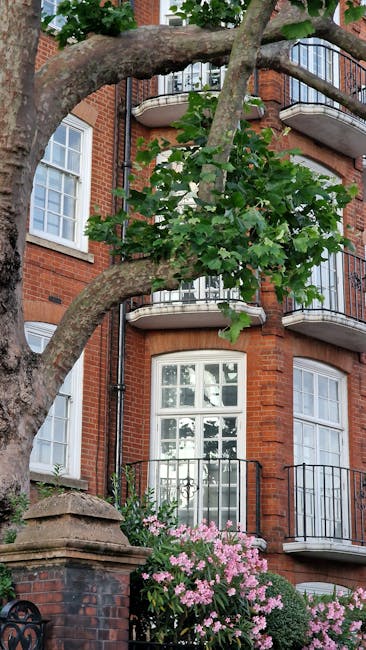
Estate agent guide Knightsbridge garden care for sales
If you are preparing a Knightsbridge property for the market, the garden or terrace is never just "outside space". It is part of the first impression, part of the photography, and often part of the buyer's emotional decision. This Estate agent guide Knightsbridge garden care for sales is designed to help you present outdoor areas in a way that feels polished, practical, and quietly impressive. Not overdone. Not fussy. Just well judged.
In a neighbourhood like Knightsbridge, buyers usually notice detail very quickly. A clipped hedge, a clean patio, tidy borders, and a healthy lawn can make a home feel cared for before they even step through the front door. Let's face it, a scruffy garden can raise questions that have nothing to do with the garden itself. This guide walks you through what matters, why it matters, and how to handle it sensibly before viewings, photography, and negotiations.
You will also find a useful checklist, common mistakes to avoid, and a comparison table to help you decide what level of garden care makes sense for the type of sale you are managing. If you need a broader view of the work available, the services overview is a practical starting point, and the team's about us page gives a little more background on how they approach property presentation.
Table of Contents
- Why Estate agent guide Knightsbridge garden care for sales Matters
- How Estate agent guide Knightsbridge garden care for sales Works
- Key Benefits and Practical Advantages
- Who This Is For and When It Makes Sense
- Step-by-Step Guidance
- Expert Tips for Better Results
- Common Mistakes to Avoid
- Tools, Resources and Recommendations
- Law, Compliance, Standards, or Best Practice
- Options, Methods, or Comparison Table
- Case Study or Real-World Example
- Practical Checklist
- Conclusion
- Frequently Asked Questions
Why Estate agent guide Knightsbridge garden care for sales Matters
Outdoor presentation matters because buyers rarely separate the house from the setting. In high-value London sales, the garden, courtyard, balcony, roof terrace, or front approach often becomes part of the property's value story. It suggests how well the home has been maintained, how much work lies ahead, and whether the space feels usable rather than merely decorative.
In Knightsbridge, that becomes even more important. Space is precious. A small terrace with clean lines can feel like an asset. A neglected one can feel like a burden. Buyers are not always consciously thinking, "this hedge needs trimming," but they are noticing the feeling of order or neglect. That feeling affects how they see the price.
Estate agents know this instinctively. A neat exterior can improve the way photos read online, give viewers a better arrival experience, and reduce the number of small objections that build up during the viewing. It is not magic, and it will not fix poor pricing or weak interiors. But it can absolutely support the sale. Truth be told, that support often shows up in subtle ways: fewer awkward comments, more confident first impressions, and a calmer conversation about offers.
There is also a trust angle. A tidy garden signals that the owner has looked after the place. For many buyers, especially in premium postcodes, that simple cue matters. They want reassurance that the property has been cared for, inside and out.
How Estate agent guide Knightsbridge garden care for sales Works
The process is straightforward, but it works best when it is planned rather than rushed. Garden care for sales usually begins with a quick assessment: what is visible from the front, what appears in photography, what a buyer will step into, and what could distract from the property's strengths.
From there, the work is usually prioritised into three layers:
- Instant visual fixes such as mowing, edging, removing weeds, clearing leaves, and cutting back obvious overgrowth.
- Presentation improvements such as hedge trimming, washing or sweeping hard surfaces, refreshing planting, and tidying borders.
- Structural or heavier work such as garden clearance, tree reduction where appropriate, or landscaping updates that improve usability and the overall layout.
The best approach depends on the property. A compact mews garden does not need the same treatment as a larger private garden with mature planting. Similarly, a terrace that is mainly seen from one angle may only need focused cleaning and a few finishing touches. A larger garden used for family living may benefit from broader maintenance and clearer shape.
If you want recurring upkeep rather than a one-off intervention, regular garden maintenance can keep the space sale-ready over time. For properties where the garden has become cluttered or unmanaged, a targeted garden clearance may be the better first step. Sometimes, you need to clear before you can improve. Simple as that.
Key Benefits and Practical Advantages
Garden care before a sale offers practical value, but the benefits are broader than "it looks nicer". Here is where it tends to make a real difference.
- Stronger first impressions: A tidy outdoor area makes the whole property feel more cared for.
- Better listing photography: Clean lines, trimmed growth, and uncluttered spaces photograph better. No surprise there.
- Clearer space definition: Buyers can more easily understand how they would use the garden or terrace.
- Reduced visual distractions: Scruffy planting, overgrown edges, and dead patches stop drawing attention away from the house itself.
- Improved buyer confidence: A well-kept exterior suggests broader maintenance standards.
- More effective viewings: People tend to relax when a property feels looked after. They stay focused on potential rather than repairs.
There is a commercial angle too. Garden presentation can support value perception even when it does not require major spending. A modest amount of work, done properly, often has a better return in presentation terms than a dramatic but unsuitable makeover. In other words, do not overcomplicate it. Buyers are generally happier with a clean, usable, believable space than with a theatrical one.
For estate agents, this is useful because it gives them a stronger story to tell. They can say the property has been thoughtfully prepared, not just listed. That small distinction matters more than people think.
Who This Is For and When It Makes Sense
This guide is useful for several groups, and the right approach depends on the sale scenario.
- Estate agents who want to help vendors present the home properly before marketing begins.
- Homeowners selling privately who want an outdoor space that feels ready for photographs and viewings.
- Landlords selling a rental property where the garden may need a reset after tenant occupation.
- Executors and probate sellers who need practical, manageable steps to bring a property into sale condition.
- Developers and investors who want the exterior to support a clean, polished handover.
It makes sense when the outdoor area is visible in listings, likely to be walked through during viewings, or clearly affecting the tone of the property. It also makes sense when time is tight. Sometimes a short window before photos is all you have, and then a focused garden tidy-up is the most efficient use of budget.
One thing to watch: not every garden needs a full redesign. If the property already has a pleasing layout, then light maintenance may be enough. If the space feels awkward, cluttered, or dated, a more considered landscaping or garden-design adjustment may help. The team's landscape gardening and landscaping services are more relevant where the issue is structure rather than tidiness alone.
Step-by-Step Guidance
Here is a practical way to approach sale preparation without wasting effort. It is the sort of process that keeps everyone sane, which is not a small thing when a property is moving quickly.
1. Look at the garden from a buyer's point of view
Stand where a viewer would stand: at the entrance, in the hallway looking out, and from the main reception room. What do you see first? Broken lines? Overgrowth? A nice focal point? Start there.
2. Remove clutter and obvious distractions
Bag up debris, move unused pots, store tools, take away dead plants, and clear anything that makes the space feel smaller. This is where a garden clearance service can be especially helpful if the area has become busy or neglected.
3. Cut back growth that blocks structure
Hedges, shrubs, and trees can hide the shape of a garden if they are left too long. Tidying them helps define boundaries and lets the property breathe a bit. If you need support with this, hedge trimming is one of the most reliable presentation upgrades you can make.
4. Refresh the lawn or ground surface
A lawn does not have to be perfect, but it should look intentional. Mowing, edging, and removing patchy weeds go a long way. If the space is paved or decked, sweep it properly and remove moss or loose debris. For softer green areas, lawn mowing is often the fastest visible improvement.
5. Deal with any safety or access concerns
Loose branches, slippery surfaces, unstable planters, and obstructed paths can create worry during viewings. Even if nobody says it out loud, it matters. Fixing access issues keeps the property feeling ready rather than risky.
6. Add restrained finishing touches
If the garden is to be shown in spring or summer, a few carefully placed plants can help. Keep it simple. Buyers usually do not need a botanical performance. They need a tidy, believable frame for the property.
7. Re-check before photography and viewings
This final check matters more than it sounds. Wind, rain, and a busy day can undo good work. A five-minute walk-through before photos can save you from an avoidable annoyance later.
Expert Tips for Better Results
A few small decisions can raise the quality of the result quite a lot. These are the kinds of details that often separate "nice enough" from "well presented".
- Match the work to the sale price point. In a premium market, buyers notice precision. That does not mean spending wildly; it means being measured and consistent.
- Keep planting disciplined. Too many colours or too many pots can make a space feel busy. One or two clean focal areas usually work better.
- Do the boring bits properly. Edging, sweeping, clearing leaves, and removing dead growth are not glamorous, but they matter. A lot.
- Work with the house style. A formal terrace should not be treated like a cottage garden, and vice versa. The garden should support the architecture, not argue with it.
- Think about scent and texture too. A damp patch, mouldy furniture cushion, or stagnant water feature can subtly lower the tone of a viewing.
- Do not overlandscape a short-term sale. If you will not enjoy the project yourself and it does not add clarity, keep it lighter.
One slightly unglamorous but useful tip: if the property will be photographed in the morning, check how the light falls across the garden. Sometimes a space looks great at 3pm and oddly flat at 9am. Timing matters. A bit.
If the outdoor area includes decking, a smart clean and repair check can make a real difference. Relevant support is available through decking services, especially where worn boards or tired finishes are distracting from the rest of the presentation.
Common Mistakes to Avoid
Some mistakes happen because people are rushing. Others happen because they try to do too much. Both can cost you presentation value.
- Leaving work too late: Fresh cuts, debris, and wet surfaces can still be visible on photography day.
- Ignoring the front approach: Buyers often form an opinion before they reach the back garden.
- Using overly bold planting: Loud colour schemes can date quickly or look chaotic in photos.
- Trying to disguise neglect with decoration: A few lanterns will not solve a weed problem. Nice try, but no.
- Skipping maintenance because the garden is small: Small spaces can look messy faster than large ones.
- Not checking boundaries and screening: In Knightsbridge, privacy and enclosure can be just as important as planting.
- Forgetting waste removal: Tidy work loses impact if piles of clippings and bags are left behind.
Another common issue is inconsistency. For example, a freshly mown lawn next to an untidy border can look unfinished. The eye goes straight to the imbalance. Better to have a simpler, fully completed result than a half-finished fancy one.
Tools, Resources and Recommendations
You do not need a huge toolkit to prepare a property for sale, but you do need the right basics. For a simple in-house tidy-up, the essentials often include secateurs, a rake, shears, a mower, leaf bags, gloves, and a pressure or hose wash where suitable. Keep it practical. No need to turn it into a weekend expedition unless you enjoy that sort of thing.
For more substantial work, it usually makes sense to involve professionals who can handle the job efficiently and safely. That can include:
- Garden maintenance for regular upkeep and presentation control.
- Hedge trimming for shape, light, and privacy balance.
- Lawn mowing for a neat, photo-ready finish.
- Tree lopping and removal when trees are blocking light, overpowering the space, or creating safety concerns.
- Recycling and sustainability if you want waste handled in a more responsible way.
For pricing, the most sensible route is to request a bespoke quote rather than assume a standard figure. Garden conditions vary too much for one-size-fits-all expectations. You can also review pricing and quotes before deciding what level of work is appropriate for the sale timeline.
Law, Compliance, Standards, or Best Practice
For garden care linked to a property sale, the main point is to stay safe, lawful, and sensible. This is especially true if the work involves ladders, power tools, heavy lifting, tree work, or access near boundaries and neighbouring property. In the UK, many of the practical responsibilities sit with the owner or the party arranging the work, so it is wise to use insured, competent contractors for anything more than light tidying.
There is no need to overstate the legal side, but a few best-practice principles are worth following:
- Use appropriate protection for workers and residents.
- Check access routes before work begins.
- Keep paths clear for viewings and contractors.
- Avoid unlicensed or unsafe tree work.
- Dispose of green waste properly.
- Be mindful of neighbours, shared boundaries, and noise.
If you are hiring help, it is reassuring to use a company that is transparent about its working practices. The site's insurance and safety page, along with the health and safety policy, are useful trust signals when you want to check how seriously the provider treats the job.
For those handling a sale with several moving parts, a clear service agreement matters too. It is worth reading the terms and conditions and, if relevant to the process, the payment and security information so nothing catches you by surprise.
Options, Methods, or Comparison Table
Different properties need different levels of intervention. The table below gives a simple comparison to help you choose the right approach.
| Approach | Best for | Typical focus | When it works best |
|---|---|---|---|
| Light tidy-up | Well-kept gardens needing a quick refresh | Mowing, sweeping, weeding, minor pruning | Before photos or a short viewing window |
| Presentation clean | Properties where first impressions need a lift | Hedge trimming, edge definition, border tidy-up, surface cleaning | When the garden is visible in marketing and viewings |
| Clear-and-prepare | Overgrown or cluttered outdoor areas | Waste removal, clearance, access recovery, basic shape restoration | When the space has become hard to read or use |
| Improve-and-reshape | Homes where outdoor layout affects saleability | Selective landscaping, planting adjustments, decking repair or refresh | When presentation alone will not solve the problem |
In practice, many sales sit somewhere between the first and second row. That is perfectly fine. You do not always need a grand transformation. Often, the smartest choice is the one that gives the clearest result for the least disruption.
Case Study or Real-World Example
Here is a realistic example, without inventing any dramatic numbers or tidy little fairy tales. A Knightsbridge townhouse with a compact rear garden was preparing for viewings after a period of lower maintenance. The space was pleasant enough in layout, but the hedge had grown loose, the lawn looked uneven, and a few tired planters were gathering dust near the seating area.
The first task was not redesign. It was clarity. The team focused on clearing the clutter, trimming the hedge to restore shape, mowing and edging the lawn, and removing the small items that made the garden feel busy. A few awkward pots were moved out, the path was swept, and the final view from the kitchen was opened up so the garden felt wider and calmer.
The result was not flashy. It simply felt ready. That is often what buyers respond to. The estate agent could talk about the garden as a usable extension of the home rather than a future project. One of those little moments happened at the viewing: a buyer stepped outside, paused, and said the space felt much larger than expected. That kind of reaction is exactly what good preparation is trying to create.
And honestly, that is the point. Not perfection. Just enough order to let the home do its job.
Practical Checklist
Use this checklist before photography, valuation refreshes, or open viewings.
- Clear away bins, tools, broken pots, and unused furniture.
- Mow lawns and neaten edges.
- Trim hedges and obvious overgrowth.
- Remove weeds from beds, paving, and borders.
- Rake leaves and collect loose debris.
- Wash or sweep patios, paths, and decking where suitable.
- Check that entrances and walkways are unobstructed.
- Review any tree growth that blocks light or sightlines.
- Make sure waste is taken away, not hidden in a corner.
- Walk the garden again from the buyer's viewpoint.
Checklist done? Good. That final walk-through tends to catch the things everyone else somehow misses.
Conclusion
Good garden care is one of the simplest ways to strengthen a Knightsbridge sale without making the process feel theatrical or overproduced. The right work improves first impressions, supports photography, reduces buyer hesitation, and helps the property feel properly maintained. That is valuable. In a market where tiny details matter, it can be the difference between "nice house" and "this feels right".
The best approach is usually measured and practical: clear the clutter, define the edges, restore shape, and make sure the outside space supports the house rather than distracting from it. Whether you need light maintenance, hedge trimming, clearance, or broader landscaping support, it pays to choose the level of work that matches the property and the sale timeline.
If you are planning a sale and want the outdoor space to look polished, confident, and ready, now is the moment to act. A few well-chosen improvements can save a lot of last-minute stress later.
Get a free quote today and see how much you can save.
Sometimes the smallest tidy-up does the heaviest lifting. And in a place like Knightsbridge, that quiet polish can mean everything.
Frequently Asked Questions
What does garden care before a property sale usually include?
It usually includes mowing, hedge trimming, weeding, clearing debris, sweeping hard surfaces, and tidying borders so the garden looks well maintained and easy to read.
Do buyers really care about the garden if the house is the main attraction?
Yes, often more than sellers expect. The garden shapes first impressions and can influence how buyers feel about the overall upkeep of the property.
Should I do a full landscaping project before selling?
Not always. If the space is already functional, a tidy presentation may be enough. If the layout is poor or awkward, light landscaping improvements can help, but major work should be considered carefully.
How far in advance should garden work be done before photos?
Ideally, give yourself enough time to complete the work and let the space settle. A final check the day before photography is usually wise, especially after wind or rain.
Is hedge trimming worth it for a sale?
Very often, yes. Neat hedges improve shape, light, privacy balance, and the overall sense of order. It is one of the most visible changes you can make quickly.
What if the garden is very overgrown?
Start with clearance rather than cosmetic work. Removing clutter and cutting back unmanaged growth will make the space easier to assess and much easier to present properly.
Can small courtyards or terraces benefit from garden care too?
Absolutely. Small spaces can look messy very quickly, so cleaning, pruning, and simplifying the layout can have a big visual effect.
How do I choose between maintenance and clearance?
If the space is generally manageable, maintenance is usually enough. If you cannot easily see the structure of the garden or access key areas, clearance may be needed first.
Are there safety concerns with larger trees or heavy pruning?
Yes, there can be. Anything involving height, heavy branches, or awkward access should be handled carefully, and insured professionals are usually the safer choice.
What should I ask a contractor before booking garden work for a sale?
Ask what is included, whether waste removal is covered, how the work will affect photography timing, and whether they are insured for the type of job you need.
Will a tidy garden increase the sale price?
It may improve buyer perception and help the property present better, but it should not be treated as a guaranteed price booster. Think of it as supporting value, not promising it.
Where can I find the relevant service information for Knightsbridge garden preparation?
You can review the available services overview, along with practical pages for garden maintenance and garden clearance, depending on the state of the property.